

컬렉션: Starlink Mini for Travel Cases & Protection
Protect and carry your Starlink Mini with travel-ready Starlink accessories for trips, camping, RVs and off-grid use. Shop waterproof storage bags, shockproof EVA cases, silicone protective covers, portable power banks, compact mounts and cables designed to keep your dish and accessories safe on the go.
-
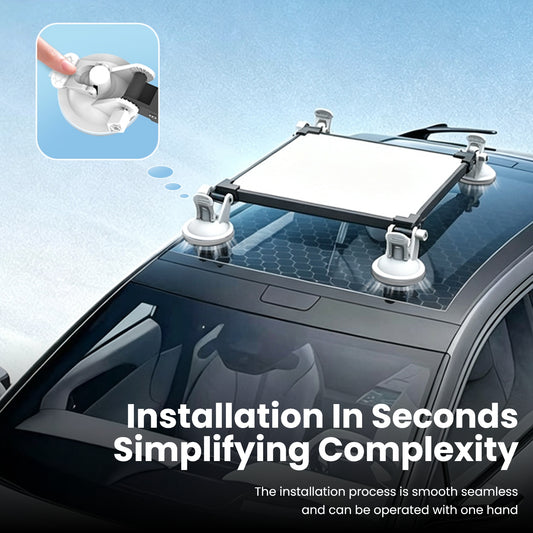
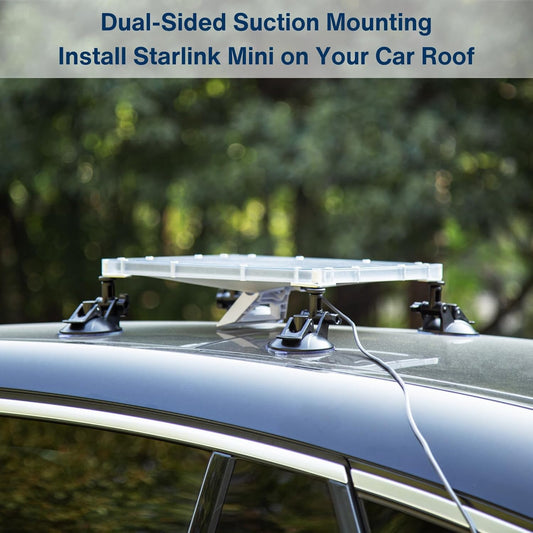
Starlink Mini Vehicle Suction Cup Mount
정가 $65.00할인가 $65.00 정가단가 단위$89.00할인 -
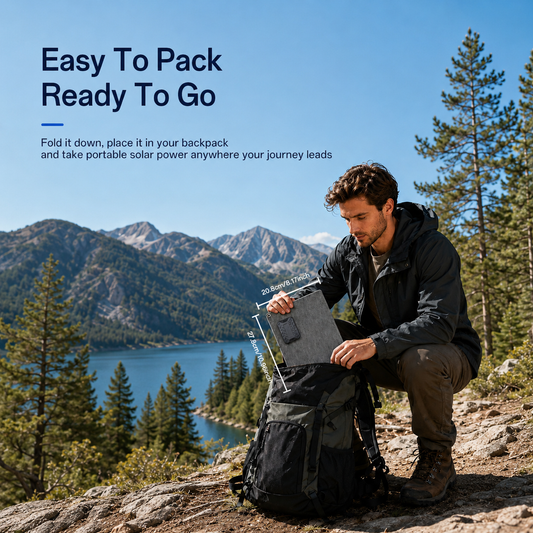
40W Foldable Solar Panel for Starlink Mini Power Kits
정가 $117.00할인가 $117.00 정가단가 단위$169.00할인 -
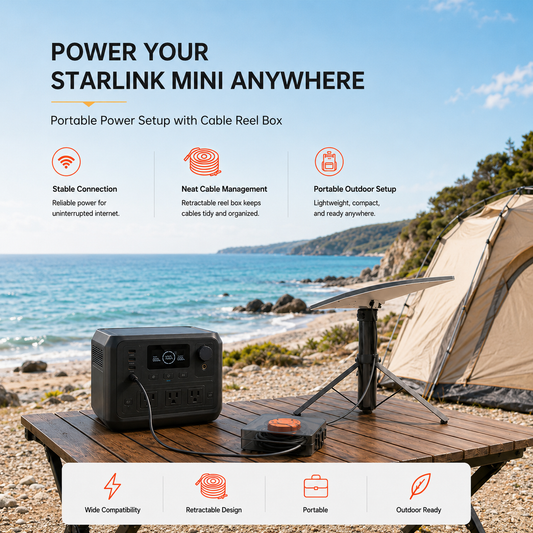
Starlink Mini Retractable DC/USB-C Cable Reel - 3M/5M
정가 $46.00에서할인가 $46.00에서 정가단가 단위 -
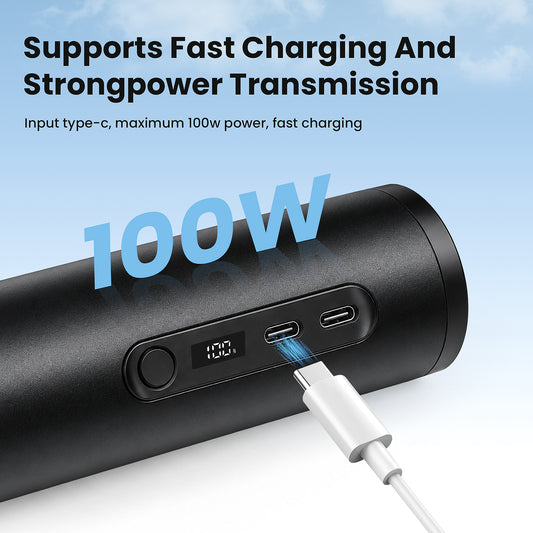
Starlink Mini Rugged Power Stand – 30000mAh, 100W USB-C PD
정가 $139.00할인가 $139.00 정가단가 단위$249.00할인 -
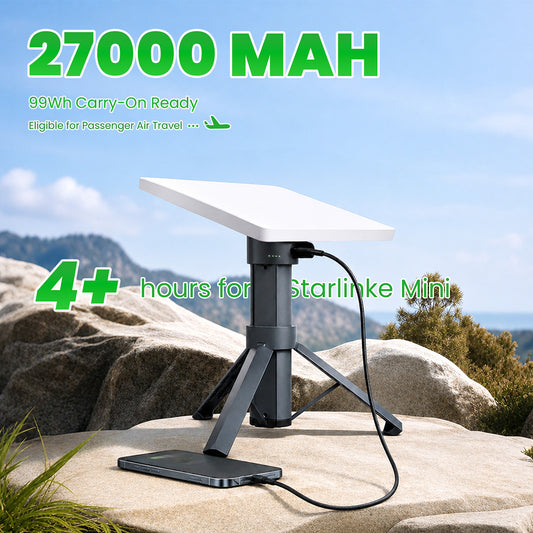
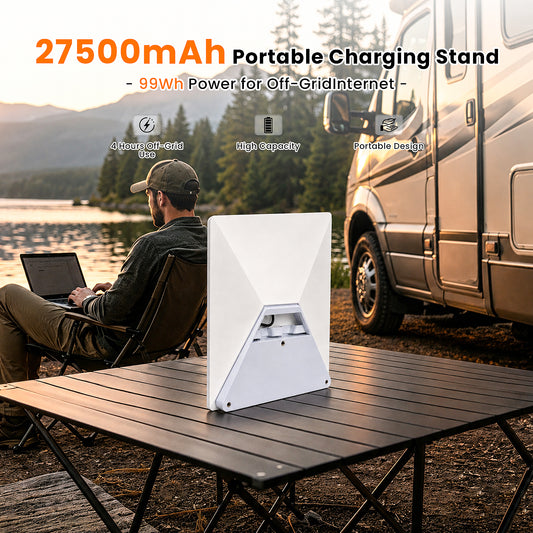
Starlink Mini Carry-On Battery Tripod – 99Wh
정가 $169.00할인가 $169.00 정가단가 단위$289.00할인 -
Starlink Mini 3-in-1 Adjustable Aluminum Mount Bracket
정가 $58.00할인가 $58.00 정가단가 단위 -
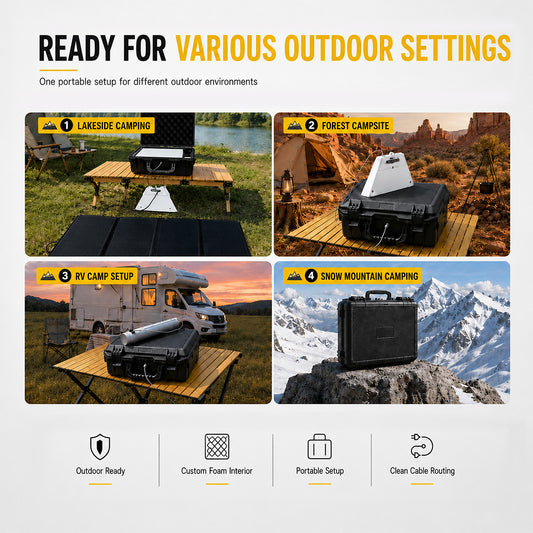
Starlink Mini IP67 Hard-Shell Case - Custom Foam Storage
정가 $82.00에서할인가 $82.00에서 정가단가 단위$0.00 -
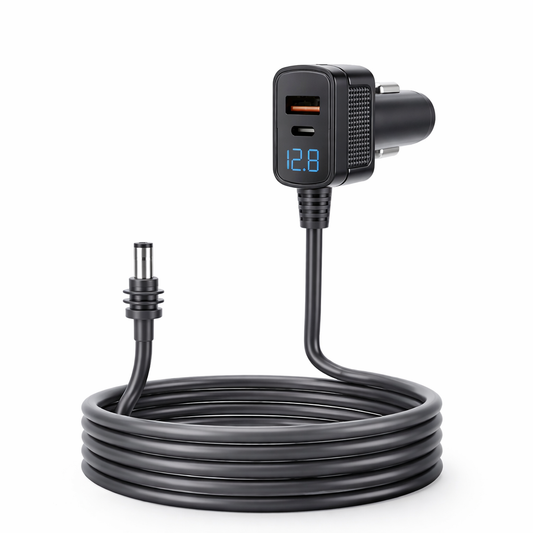
Starlink Mini 3-in-1 Car Power Cable with Display - 12-24V, 5A
정가 $46.00할인가 $46.00 정가단가 단위 -
Starlink Mini Compact Portable Battery Pack – 99W
정가 $149.00에서할인가 $149.00에서 정가단가 단위$259.00할인 -
Starlink Mini Protective Case & Suction Cup Roof Mount Kit
정가 $86.00할인가 $86.00 정가단가 단위$100.00할인 -
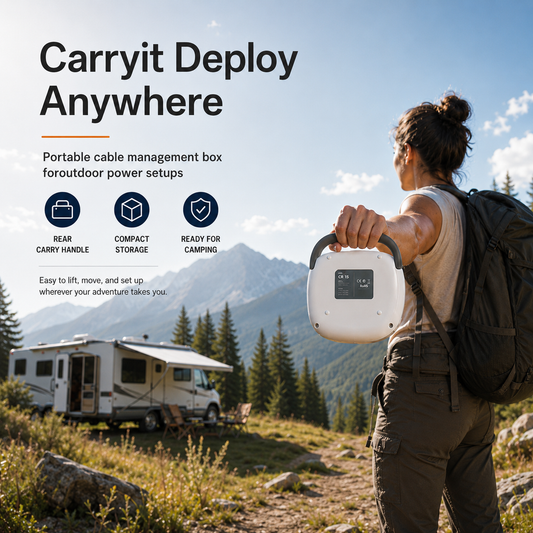
Starlink Mini Portable Cable Reel Power Hub - 10M/15M
정가 $164.00에서할인가 $164.00에서 정가단가 단위 -
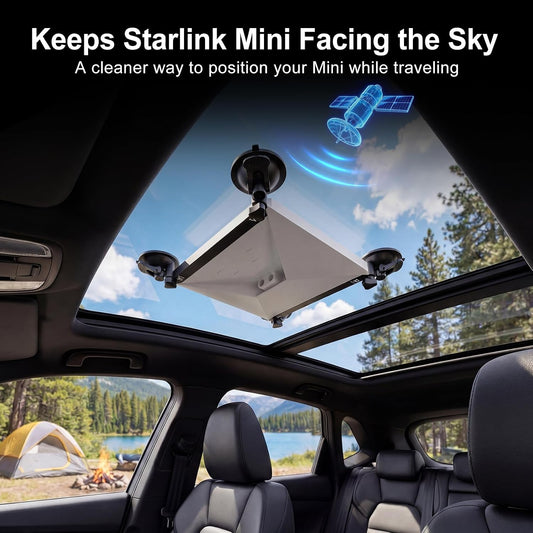
Starlink Mini Window & Sunroof Suction Mount
정가 $45.00할인가 $45.00단가 단위 -
Starlink Mini Battery Storage Bag - Fits 99Wh & 166Wh Packs
정가 $25.00에서할인가 $25.00에서 정가단가 단위$0.00 -
Starlink Mini MP158 Portable Power Bank - 158Wh
정가 $239.00할인가 $239.00 정가단가 단위 -
Starlink Mini ABS Protective Case
정가 $36.00할인가 $36.00 정가단가 단위













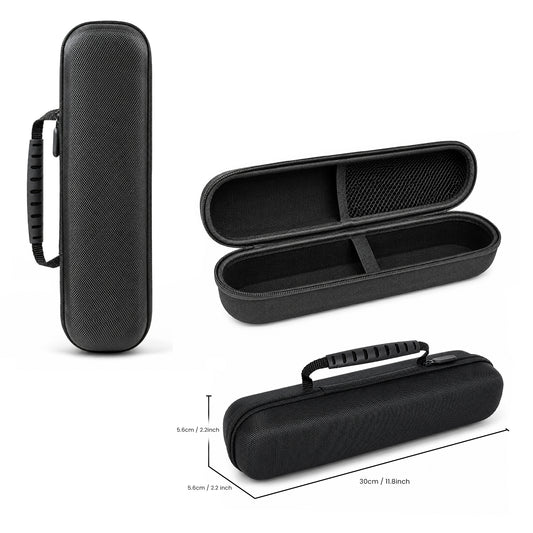

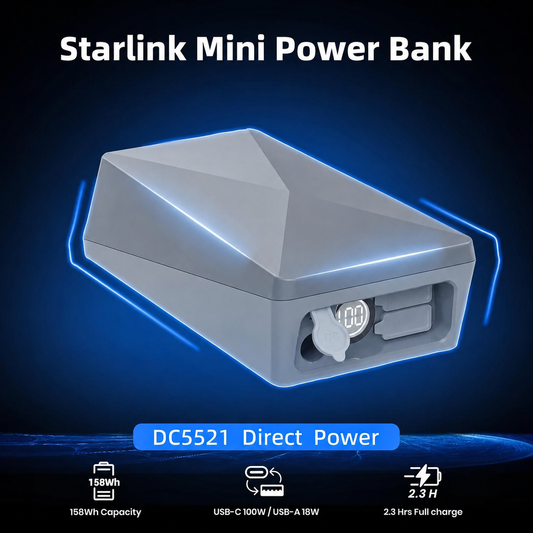

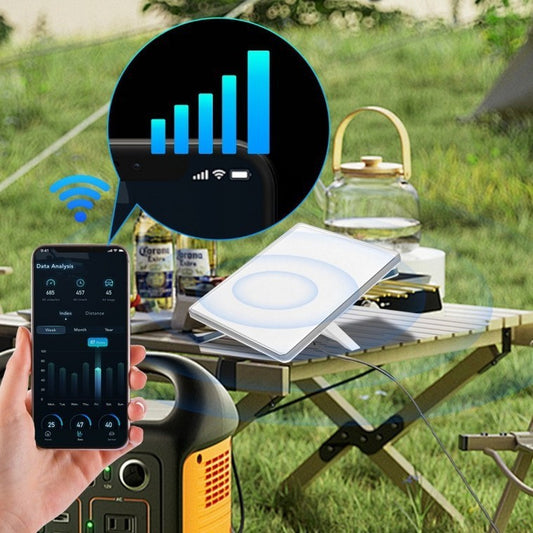

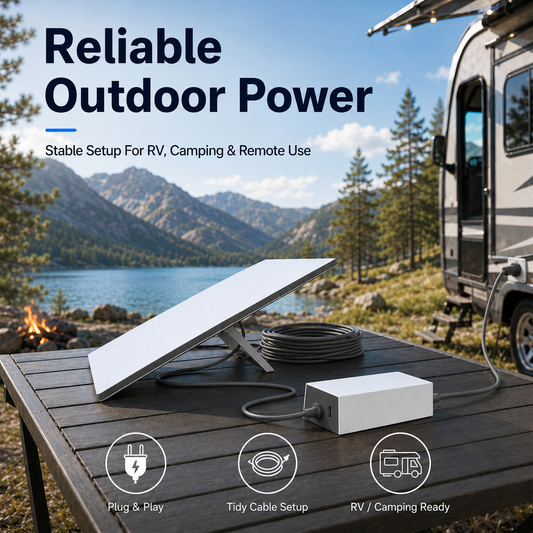
Travel Protection Guide
Build the Right Protection Setup for Your Trip
Start with how the Starlink Mini will be packed, what else must travel with it and how much structure you want around the dish. Then compare representative protection formats from low-bulk covers to custom-foam hard cases.
Slim Silicone Case
Best for: adding a low-bulk layer against everyday scratches and bumps when the dish travels inside another bag.
View this fitted cover Compact Road KitEVA Case with Base Storage
Best for: keeping the dish, compatible base and selected cables in a structured case for vehicle or campsite transfers.
View this EVA case Shoulder CarryHard EVA Organizer Case
Best for: travelers who want a structured organizer with a shoulder-carry format for the dish and selected accessories.
View this shoulder case Battery-Ready PackingEVA Carry Case 2.0
Best for: organizing a compatible battery with the travel setup when the exact compartment layout and dimensions match your gear.
View this battery-ready case Hands-Free TransitWater-Resistant Travel Backpack
Best for: carrying the dish, cables and selected accessories together while keeping both hands available on the move.
View this travel backpack Rugged Route StorageCustom-Foam Hard-Shell Case
Best for: trips where a rigid shell and fitted foam layout are priorities; verify the listed IP rating, dimensions and closure before exposure.
View this hard-shell caseFAQ
Starlink Mini Travel Protection Questions
Plan how the dish, cables, power gear and mounting parts will be separated, supported and checked before each trip.
How should I pack Starlink Mini for road trips and off-grid travel?
Use a fitted cover or dedicated compartment to protect the dish surface, keep plugs and hard accessories from pressing against it, and secure loose cables so they cannot rub or snag. Choose a case that supports the dish without forcing the lid closed, then confirm every item is dry and powered off before packing.
Which protection level should I choose for a Starlink Mini travel setup?
A silicone cover suits low-bulk surface protection inside another bag. A structured EVA case adds shape and organization, a backpack helps carry a larger kit hands-free, and a rigid custom-foam case is the strongest format in this collection for demanding transport. Actual material performance and test ratings vary by product.
Can I pack the dish, cables, battery and mount in the same case?
Only if the case has enough internal space and separate support for each item. Do not assume every full-kit bag fits every battery or mount. Compare internal dimensions, compartment layout, connector clearance and the complete packed equipment list on the individual product page.
How do I avoid pressure on the Starlink Mini dish, ports and cables during transport?
Place the dish in its shaped compartment or foam cutout, route cables without sharp bends, cap or protect exposed connectors, and keep heavy batteries and metal mounts in separate compartments. Close the case gently and repack it if the lid requires force or leaves pressure marks.
Is a water-resistant travel bag enough for outdoor trips?
Water-resistant does not mean waterproof or submersible. It may help with light splashes or short exposure, but seams, zippers and openings can still admit water. Follow the stated rating for the specific product and use an additional dry barrier when rain, spray or immersion is possible.
Can I use a Starlink Mini travel case as checked baggage?
A rigid case can improve packing protection, but no case guarantees safe checked transport or airline acceptance. Measure the packed dimensions and weight, confirm the carrier's current rules, and check separate restrictions for lithium batteries. For flight-specific planning, use the dedicated Starlink Mini air travel collection and verify rules for every route.
Should I separate the battery from Starlink Mini before transport?
Power the system off and prevent the battery terminals, ports and controls from shorting or being activated accidentally. Use a dedicated compartment or compatible battery bag when the main case cannot isolate it safely. Battery transport rules vary by carrier, destination and battery watt-hour rating.
What should I verify before the first trip with a new case?
Check Starlink Mini model compatibility, internal and external dimensions, packed weight, included parts, compartment fit, handle and strap attachment, closure, stated water or impact rating and access to any required mounting points. Test-pack the complete kit at home and confirm nothing shifts or presses on the dish.